Category 3: Sunscreen and Tanning
Sunscreen for Everyday Life in India: Benefits, Application and Common Mistakes
Spending time outdoors, commuting to work, running errands, or simply sitting near a sunny window can expose your skin to ultraviolet (UV) radiation. Over time, UV exposure can contribute to tanning, uneven pigmentation, premature skin ageing, and an increased risk of skin damage.
Despite these concerns, sunscreen is sometimes treated as a product reserved for holidays, beach visits, or summer weather. In reality, sun protection is an important part of a consistent skincare routine throughout the year.
At Skin Salah, we believe that understanding the purpose of skincare products helps people make better-informed choices. In this guide, you will learn about sunscreen, tanning, daily sun protection, and practical ways to care for your skin.
Why Is Sunscreen Important?
Sunlight contains ultraviolet radiation, including UVA and UVB rays, which can affect the skin in different ways.
UVA rays contribute to skin ageing and can penetrate more deeply into the skin.
UVB rays are a major cause of sunburn and also contribute to skin damage.
Both types of UV radiation can contribute to long-term skin health concerns. A broad-spectrum sunscreen is designed to protect against both UVA and UVB rays.
Regular sun protection can help:
- Reduce the risk of sunburn.
- Help prevent or limit tanning caused by UV exposure.
- Reduce the contribution of sun exposure to premature skin ageing.
- Support the management of some forms of pigmentation.
- Reduce UV-related skin damage over time.
Sunscreen is most effective as part of a broader sun-protection approach that includes shade, protective clothing, and limiting exposure when UV levels are high.
What Is Skin Tanning?
Tanning occurs when the skin responds to UV exposure by increasing melanin production or changing the distribution of melanin.
Melanin is the natural pigment that contributes to skin colour. Although tanning is often considered a beauty preference, it is a sign that the skin has responded to UV exposure.
Repeated exposure can contribute to uneven skin tone and other forms of skin damage. A tan does not provide reliable protection from future UV exposure.
If you want to reduce tanning, consistent sun protection is a more appropriate approach than harsh scrubbing or attempting to bleach the skin.
Why Is Sun Protection Important in India?
India experiences a wide range of weather conditions, from hot summers to monsoon seasons and cooler winters. UV exposure can still occur on cloudy days and during cooler months.
Your actual exposure depends on factors such as location, time of day, altitude, cloud cover, and time spent outdoors.
Common situations in which sun protection matters include:
- Travelling to work or college.
- Walking or exercising outdoors.
- Spending time in open areas without shade.
- Driving or sitting near windows.
- Participating in outdoor sports or activities.
Cloud cover does not completely eliminate UV exposure. Check the local UV index when possible and adjust your sun-protection habits accordingly.
How to Choose the Right Sunscreen
With many products available, choosing sunscreen can feel confusing. Understanding a few basic features can help.
1. Look for broad-spectrum protection
Broad-spectrum sunscreen protects against both UVA and UVB radiation.
This is important because both types of radiation contribute to skin damage.
2. Choose SPF 30 or higher
A broad-spectrum sunscreen with SPF 30 or higher is generally recommended for everyday use.
SPF primarily indicates protection against UVB-related sunburn under standard testing conditions. It does not tell you everything about UVA protection, so look for a broad-spectrum product.
3. Consider your skin type
Different formulations can feel different on the skin.
Oily or acne-prone skin: You may prefer a lightweight, non-comedogenic formulation.
Dry skin: A moisturising sunscreen may feel more comfortable.
Sensitive skin: Consider a fragrance-free product designed for sensitive skin, and discontinue use if irritation develops.
Combination skin: Choose a formulation that feels comfortable across both oily and dry areas.
No single sunscreen is ideal for everyone. The most suitable choice is one that offers appropriate protection and that you can apply consistently.
4. Consider your daily activities
If you exercise, swim, or sweat heavily, a water-resistant sunscreen may be useful. Follow the label instructions because water resistance is time-limited and does not mean the product remains effective indefinitely.
How to Apply Sunscreen Correctly
Choosing a suitable sunscreen is only part of effective sun protection. Application also matters.
Step 1: Apply it before sun exposure
Apply sunscreen according to the product instructions, generally before going outdoors. Follow the label for the recommended application timing.
Step 2: Use enough product
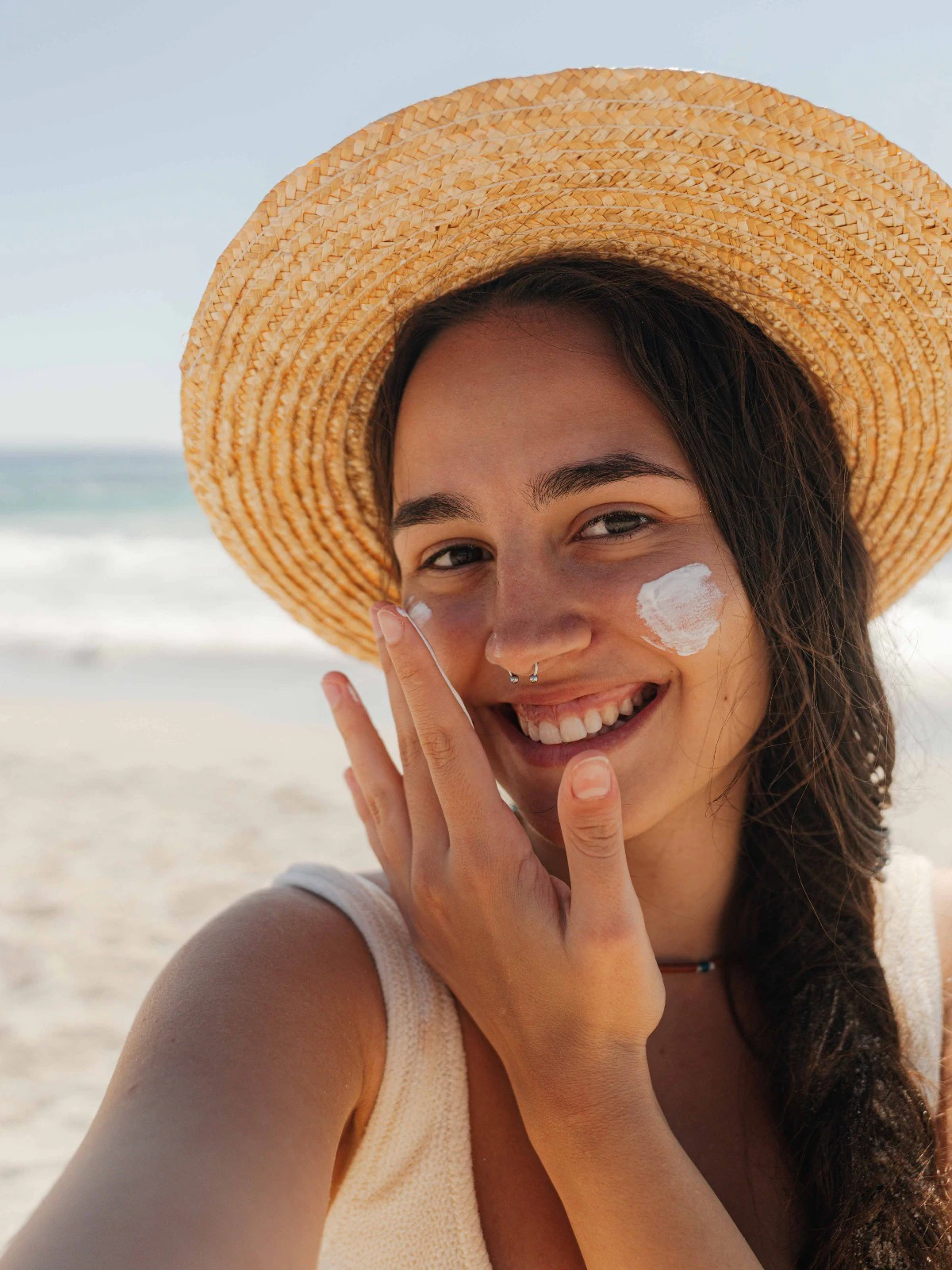
Apply a generous, even layer to all exposed skin. Pay attention to the face, ears, neck, and other areas that are often missed.
Using too little sunscreen can reduce the level of protection you receive.
Step 3: Reapply regularly
Reapply approximately every two hours when outdoors, and sooner after swimming, sweating, or towel-drying, following the product instructions.
If you spend most of your day indoors, consider your proximity to windows, direct sunlight, and planned outdoor activities when deciding how to maintain protection.
Step 4: Protect more than just your face
Your neck, ears, hands, and other exposed areas also need attention. A wide-brimmed hat, sunglasses, protective clothing, and shade can provide additional protection.
Common Sunscreen Mistakes to Avoid
Using sunscreen only in summer
UV exposure is not limited to hot weather. Make sun protection part of your routine whenever your activities and UV exposure call for it.
Applying too little
A thin layer may not provide the level of protection indicated on the label. Apply evenly and generously.
Forgetting reapplication
Sunscreen protection can decrease with time, sweating, swimming, and towel-drying. Reapply as directed.
Skipping sunscreen on cloudy days
Clouds do not block all UV radiation. Consider the UV index and your exposure rather than relying only on how bright the sky looks.
Expecting sunscreen to remove existing pigmentation
Sunscreen helps prevent additional UV-related damage, but it does not necessarily eliminate existing dark spots, melasma, or other pigmentation concerns. These may require a separate, appropriate care plan.
Can Sunscreen Help with Pigmentation and Dark Spots?
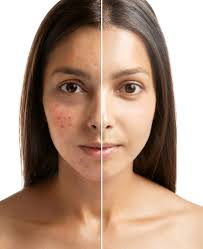
Sun exposure can worsen certain pigmentation concerns, including melasma and post-inflammatory hyperpigmentation.
Regular sun protection can help limit additional UV-related darkening and support other appropriate skincare measures.
However, pigmentation can have several causes. Some concerns may need assessment by a qualified dermatologist, especially if they persist, worsen, or change unexpectedly.
Do not rely on harsh scrubs, unlabelled bleaching products, or promises of rapid skin lightening. These approaches may irritate the skin and potentially worsen pigmentation.
What Is the Difference Between Tanning and Skin Pigmentation?
Tanning is a skin response to UV exposure. Pigmentation is a broader term that describes changes in the colour of the skin.
Dark spots can develop after acne or inflammation, while melasma can cause persistent patches associated with factors such as hormones, genetics, and sun exposure.
Because these concerns can look similar, it is important not to assume that every dark patch is caused by tanning.
If you are unsure what is causing a change in your skin tone, a qualified healthcare professional can help assess it.
Build a Sun-Protection Routine That Suits Your Skin

An effective skincare routine should be practical enough to follow consistently.
Start with a gentle cleanser, use a moisturiser suited to your
