
Category 1: Dry Skin and Hydration
How to Care for Dry Skin: A Complete Guide to Hydration and Moisturising
Introduction
Dry skin is a common concern that can affect people of all ages and skin types. It may leave your face feeling tight, rough, flaky, or uncomfortable, especially after washing or during changes in weather.
For some people, dryness is temporary. For others, it may be associated with a weakened skin barrier, environmental conditions, irritating skincare products, or an underlying skin condition.
The good news is that a simple, consistent skincare routine can help improve skin comfort and maintain hydration.
At Skin Salah, we believe that understanding your skin is the first step towards making better skincare decisions. In this guide, you will learn about the common causes of dry skin, how to choose suitable skincare products, and how to build a routine that supports healthier-looking skin.
What Is Dry Skin?

Dry skin occurs when the skin does not retain enough moisture or when its natural protective barrier is not functioning effectively.
The skin barrier helps reduce water loss and protects the skin from external irritants. When this barrier is disrupted, your skin may become more vulnerable to dryness, sensitivity, and irritation.
Common signs of dry skin include:
- A tight or uncomfortable feeling after cleansing
- Rough or flaky patches
- A dull or uneven-looking skin surface
- Itching or increased sensitivity
- Fine lines that appear more noticeable when the skin is dehydrated
Dry skin and dehydrated skin are not exactly the same. Dry skin generally refers to a skin type or condition involving insufficient oils, while dehydration refers to a lack of water in the skin. A person with oily skin can also experience dehydration.
Understanding this difference can help you choose products that better suit your skin’s needs.
What Causes Dry Skin?
Several factors can contribute to dryness.
1. Weather and environmental conditions
Cold weather, low humidity, air conditioning, and excessive heat can contribute to moisture loss. In India, seasonal changes and prolonged exposure to indoor cooling may affect how comfortable your skin feels.
2. Harsh cleansers
Cleansers that are too strong for your skin may remove protective oils and leave your face feeling tight or irritated.
A gentle cleanser that does not leave your skin uncomfortable is generally a better choice for a daily routine.
3. Hot showers and frequent washing
Very hot water and excessive washing can worsen dryness. Washing your face with lukewarm water and avoiding unnecessary cleansing may help preserve the skin barrier.
4. Inappropriate skincare products
Frequent exfoliation, strong active ingredients, or products that irritate your skin may contribute to dryness.
If a product repeatedly causes burning, redness, or peeling, reconsider its use and seek professional advice if symptoms persist.
5. Age and underlying skin conditions
Skin may become drier with age. Conditions such as eczema can also cause persistent dryness, itching, and inflammation.
If dryness is severe, recurring, painful, or associated with a rash, consult a qualified healthcare professional rather than relying on moisturiser alone.
How to Build a Skincare Routine for Dry Skin
A good skincare routine does not need to be complicated. The goal is to cleanse gently, replenish moisture, and protect the skin barrier.

Morning skincare routine
Step 1: Cleanse gently
Use a mild cleanser suited to your skin. If your face is very dry, avoid harsh foaming products that leave it feeling tight.
Step 2: Apply a hydrating product if needed
Ingredients such as glycerin and hyaluronic acid can help attract and retain water in the skin. Apply products according to their instructions.
Step 3: Use a moisturiser
Choose a moisturiser that helps reduce water loss and keeps your skin comfortable. Cream-based formulations may be suitable for people experiencing significant dryness.
Step 4: Apply sunscreen
Use a broad-spectrum sunscreen with SPF 30 or higher. Apply it as directed and reapply when necessary, particularly during extended outdoor activities.
Evening skincare routine
Step 1: Remove sunscreen and daily impurities
Use a gentle cleanser to remove sunscreen, makeup, and accumulated impurities without unnecessarily stripping the skin.
Step 2: Apply moisturiser
Moisturise while your skin is slightly damp if that feels comfortable. This can help support hydration.
Step 3: Keep your routine simple
Avoid introducing several new active ingredients at once. If your skin is already dry or irritated, prioritise gentle cleansing and moisturising before adding more products.
Which Skincare Ingredients Can Help Dry Skin?
Choosing products by understanding their ingredients can make your routine more effective and manageable.
Hyaluronic acid
Hyaluronic acid is a humectant that helps attract water to the skin. It is commonly used in hydrating serums and moisturisers.
Glycerin
Glycerin helps attract and retain moisture. It is widely used in skincare products designed to improve skin hydration.
Ceramides
Ceramides are lipids that help support the skin’s protective barrier. Moisturisers containing ceramides may be useful for skin that feels dry or has a compromised barrier.
Petrolatum
Petrolatum helps reduce water loss from the skin. It is commonly used in products designed for very dry areas, although its texture may not suit everyone.
Shea butter
Shea butter is an emollient ingredient that helps soften the skin and improve the feel of dry areas.
Important: No single ingredient is right for everyone. The overall formulation, your skin’s sensitivity, and the cause of your dryness all influence which product may be suitable.
Common Dry Skin Mistakes to Avoid
Using too many products
Layering multiple serums, exfoliants, and treatments may increase the risk of irritation. Start with a basic routine and introduce new products gradually.
Skipping moisturiser because of oily skin
Oily skin can still be dehydrated. If your face feels tight but becomes shiny later, consider whether your current routine is too harsh and choose products that suit both your oiliness and hydration needs.
Exfoliating too frequently
Over-exfoliation can irritate the skin and worsen dryness. Avoid harsh scrubs and reduce exfoliation if your skin feels sensitive or begins peeling.
Using very hot water
Hot water can worsen dryness. Choose lukewarm water and gently pat your face dry rather than rubbing it with a towel.
Expecting overnight results
Skin hydration may improve with appropriate care, but persistent dryness can take longer to manage. Results depend on the cause of the dryness and the products being used.
Dry Skin vs. Dehydrated Skin: What’s the Difference?
Dry skin generally involves reduced oil content, whereas dehydrated skin involves a lack of water.
Dry skin may feel rough or flaky, while dehydrated skin may feel tight and appear less plump. However, these signs can overlap, and they do not establish a diagnosis on their own.
A suitable skincare routine should address your skin’s actual needs rather than relying on labels alone.
When Should You Seek Professional Skincare Guidance?
Consider professional advice if your skin remains persistently dry despite gentle care, or if you experience significant itching, cracking, bleeding, swelling, or recurring rashes.
A qualified dermatologist can assess whether the problem is related to a skin condition, product irritation, or another underlying cause.
If you are unsure which products to choose, personalised skincare guidance can also help you review your current routine and identify practical adjustments.
Give Your Skin the Care It Deserves with Skin Salah
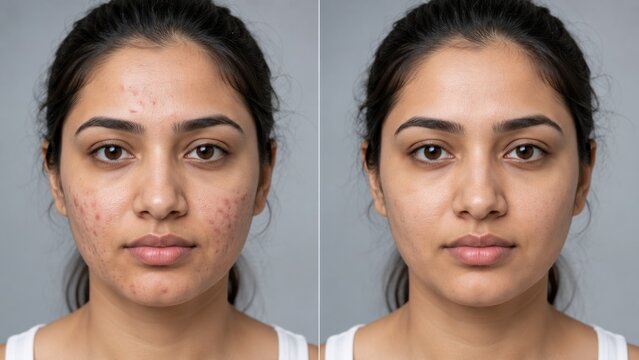
Healthy-looking skin starts with understanding what your skin needs. Whether you are dealing with seasonal dryness, tightness after cleansing, or difficulty choosing suitable moisturisers, a thoughtful skincare routine can help you make more informed decisions.
At Skin Salah, our goal is to help you explore skincare options that align with your individual concerns and routine.
Ready to take the next step towards better-informed skincare?
Visit Skin Salah to explore the available skincare guidance and consultation options.
Start with your skin concerns. Build a routine around your needs. Make skincare a consistent part of your day.
Disclaimer: This article is for educational purposes only and does not replace professional medical advice, diagnosis, or treatment. Persistent or severe dryness should be assessed by a qualified healthcare professional.
