CATEGORY 6: AGEING SKIN AND DAILY CARE
Does Your Lifestyle Affect Your Skin? Sleep, Diet, and Daily Care
Discover how sleep, nutrition, stress management, and everyday habits can influence your skin’s appearance—and learn simple ways to build a healthier skincare routine.
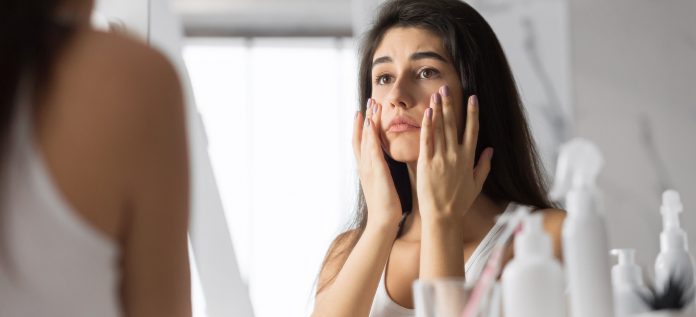
Healthy-looking skin is influenced by more than the products you apply to your face. Your daily habits, including how well you sleep, what you eat, how you manage stress, and how consistently you protect your skin from the sun, can all play a role in overall skin health.
While no lifestyle habit can guarantee perfect skin, a balanced approach can help support your skin’s natural functions and complement a suitable skincare routine.
At Skin Salah, we believe that understanding your skin is the first step towards making informed skincare choices. In this guide, we explore the relationship between lifestyle and skin, along with practical habits you can incorporate into your daily routine.
1. How Does Your Lifestyle Affect Your Skin?
Your skin is the body’s largest organ and serves as an important protective barrier. Like other parts of your body, it is influenced by factors such as nutrition, sleep, hormones, environmental exposure, and general health.
For example, insufficient sleep may make you look tired, while dehydration can contribute to temporary dryness. Excessive sun exposure can contribute to premature skin ageing, and some dietary patterns may influence acne in certain individuals.
However, skin concerns rarely have just one cause. Genetics, hormones, medical conditions, skincare products, and environmental factors can also affect your skin.
The goal is not to follow a perfect lifestyle. Instead, focus on consistent habits that support your overall well-being and complement your skincare routine.
2. The Importance of Sleep for Healthy-Looking Skin
Sleep is essential for overall health, and adequate rest supports the body’s normal repair and maintenance processes.
When you regularly get insufficient sleep, you may notice that your face looks tired, your eyes appear puffy, or your complexion seems less refreshed. These changes can vary from person to person.
How sleep may influence your skin
Supports normal skin maintenance
During sleep, the body carries out important processes involved in tissue maintenance and recovery. Consistent, adequate sleep supports these normal functions.
May affect the appearance of tired skin
Poor sleep can contribute to a tired appearance, including temporary puffiness around the eyes. Other factors, such as allergies, fluid retention, and genetics, can also play a role.
Supports overall well-being
Sleep helps regulate many processes in the body, including those associated with stress and immune function. These processes can indirectly influence skin health.
Simple sleep habits to try
- Aim for around seven to nine hours of sleep per night if you are an adult.
- Try to maintain a regular sleep and wake-up schedule.
- Create a relaxing bedtime routine.
- Reduce bright-screen exposure before bed if it affects your sleep.
- Keep your sleeping environment comfortable, dark, and quiet.
You do not need an elaborate nighttime skincare routine. Gentle cleansing and moisturising, followed by adequate sleep, are practical starting points.
3. Does Your Diet Affect Your Skin?
A balanced diet provides nutrients that support normal skin function. Although food is not a guaranteed treatment for acne, pigmentation, or wrinkles, your overall eating pattern can contribute to general health and may make laso
